In this article
- 01What is the basic rule?
- 02Do you have to take it all at once?
- 03How does taking it in stages actually work?
- 04What does that look like in practice?
- 05Is there a limit on tax-free cash?
- 06What are the common mistakes?
- 07Does this apply to final salary pensions?
- 08What is the bottom line?
- 09Frequently asked questions
- 10Sources and further reading
You can normally take 25% of a defined contribution pension tax-free once you reach pension access age, currently 55 for most people. The most you can take tax-free across all your pensions is £268,275 unless you have lifetime allowance protection or scheme specific protected tax-free cash. The other 75% is taxed as income when you draw it. You do not have to take the 25% in one go, and taking it in stages is often more tax-efficient.
The 25% rule is the best-known feature of UK pensions and one of the most misunderstood. Most people know they can take a quarter tax-free. Far fewer know how to take it well and the difference can run to thousands of pounds. This guide is part of our complete guide to UK retirement rules.
01What is the basic rule?
When you access a defined contribution pension, the kind where you have built up a pot, you can normally take 25% of it free of income tax. The remaining 75% is taxable at your normal rate when you draw it.
So, a £200,000 pot gives you up to £50,000 tax-free. The other £150,000 is taxed as income as and when you take it.
The formal name for tax-free cash is ‘pension commencement lump sum’ but most people just call it tax-free cash. You need to have reached pension access age, currently 55, but you do not need to have stopped work.
02Do you have to take it all at once?
No. This is the single most useful thing to understand, and the bit most people miss.
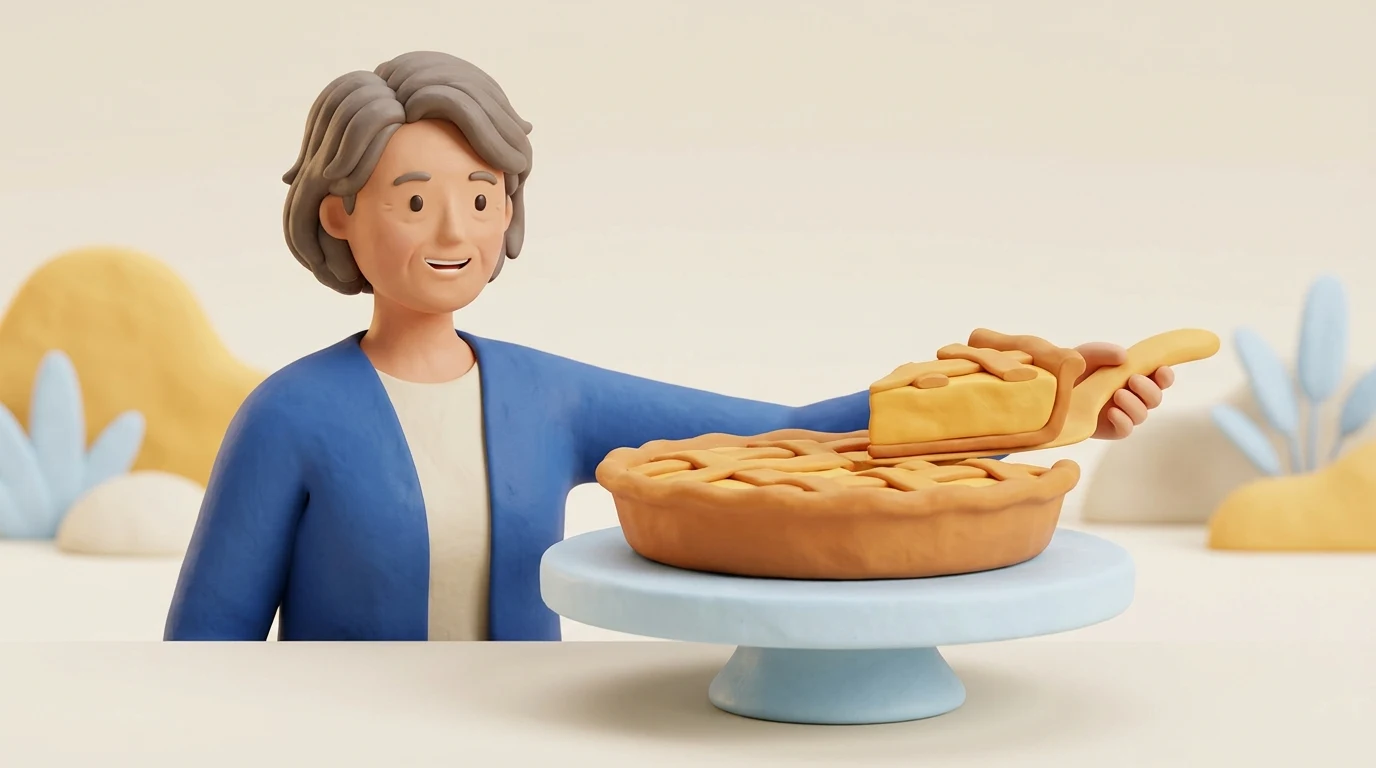
The common picture is taking the whole 25% in cash on the day you retire. That is one option, but instead you can access your pension in stages, taking 25% tax-free from each slice and leaving the rest invested, as long as your provider allows it.
When it comes to drawing down income from the rest of your pension, spreading your withdrawals across more tax years could keep more of it taxed at lower rates, or not taxed at all if it sits within your Personal Allowance.
There is also no rule forcing you to take your tax-free cash at any particular time. You can leave it untouched for years if you do not need it. And because the 25% is worked out on the value at the time you take it, a pot that has grown gives you a bigger tax-free sum.
03How does taking it in stages actually work?
There are two ways providers do it, and the difference matters.
| Phased drawdown | Lump sums from the pot (UFPLS) | |
|---|---|---|
| What happens | You move a slice of your pension into drawdown. You get 25% of that slice tax-free. The other 75% sits in drawdown, and you choose when to draw it. | You take a lump sum straight from the pot. 25% is tax-free and 75% is taxed as income straight away. |
| Can you take tax-free cash on its own? | Yes | No. Every withdrawal includes a taxable part. |
| Does it trigger the MPAA? | Not until you draw taxable income | Yes, from the first withdrawal |
| Often suits | People still working, or who want tax-free cash now and income later | People who want simple, occasional withdrawals and are no longer paying in |
Not every pension offers both. Older workplace and personal pensions sometimes offer neither, and you may have to take everything at once or transfer to a pension provider that is more flexible. Ask your provider three things: can you take tax-free cash in stages, do they offer flexi-access drawdown, and what do they charge for it. If you would need to move, we compare providers on drawdown features and fees in our pension reviews.
04What does that look like in practice?
All at once. You take £50,000 tax-free on day one. The remaining £150,000 sits in drawdown and is taxed whenever you draw it. Simple, but you have used your whole tax-free cash entitlement in one go.
In stages. You move £80,000 into drawdown this year. That gives £20,000 tax-free cash and £60,000 in drawdown. The remainder of your uncrystallised pot grows from £120,000 to £200,000 over 5 years - you then move the full pension into drawdown, that gives you a further £50,000 of tax-free cash and £150,000 in drawdown.
The tax-free percentage is the same either way. What changes is the monetary amount you got of tax-free cash.
05Is there a limit on tax-free cash?
Yes. Since 6th April 2024, the total you can take tax-free across all your pensions is capped at £268,275. This is the Lump Sum Allowance.
For most people this changes nothing. The cap only bites once your total pension savings are more than about £1,073,100, because £268,275 is 25% of that figure. The number is not random. It is a quarter of the old Lifetime Allowance, which the Lump Sum Allowance replaced.
Below that level, you take your full 25% with no cap in sight. Above it, you can still access the rest of your money. The tax-free part is capped and anything beyond it is taxed as income when you take money from your pension.
Can you take more than £268,275 tax-free cash?
A small number of people can. There are two separate routes, and they work differently.
| Protection you hold | Your tax-free cash limit |
|---|---|
| Fixed Protection 2012 | £450,000 |
| Fixed Protection 2014 | £375,000 |
| Fixed Protection 2016 | £312,500 |
| Individual Protection 2014 | 25% of your protected amount, up to £375,000 |
| Individual Protection 2016 | 25% of your protected amount, up to £312,500 |
If you hold the older primary or enhanced protection, the limit is usually £375,000, but it can be different if your certificate also protects a specific lump sum. Check your certificate or ask HMRC.
You still need the pension savings to support the protection you have. The limit is a cap, not an entitlement, so you can normally only take 25% of what you actually have.
Protected tax-free cash in an older workplace scheme. Some schemes you joined before 6th April 2006 give you the right to more than 25% of that particular pension as tax-free cash. This has nothing to do with fixed protection. It belongs to the scheme, and it can be lost if you transfer out, so ask the scheme in writing before you move anything.
If either of these could apply to you, find the paperwork before you take any tax-free cash or transfer a pension. Mistakes here are hard to undo.
One reassuring note. There was widespread speculation before the Autumn 2025 Budget that the cap might be cut sharply. It was not. The £268,275 figure was confirmed unchanged for 2026/27. The next Budget is on 28th October 2026, and the same point applies: do not act on rumour.
06What are the common mistakes?
Taking it because of a rumour
Ahead of recent Budgets, many people withdrew tax-free cash they did not need because they feared the rules would change. They did not change. Once tax-free cash is out of your pension it generally cannot go back, and money in a bank account loses the tax shelter it had inside the pension.
Taking taxable income by accident
Taking only your tax-free cash does not trigger the Money Purchase Annual Allowance. Taking any of the taxable part does, and it cuts what you can pay into pensions from £60,000 to £10,000 a year. If you are still working and contributing, that order matters.
Recycling it back into a pension
If you take tax-free cash and use it to make significantly larger pension contributions, HMRC's recycling rules can apply and the lump sum can be taxed as an unauthorised payment. This is aimed at deliberate, pre-planned recycling, but it is worth knowing about before you pay a large sum back in.
Forgetting what happens to it afterwards
Cash you withdraw sits in your estate for Inheritance Tax. From April 2027 unused pension money will too, so this matters less than it used to, but interest on the cash may also be taxable once it is outside the pension.
07Does this apply to final salary pensions?
Not in the same way. Defined benefit schemes usually offer a tax-free lump sum by giving up some of your yearly pension, and the scheme sets the exchange rate. The 25% figure in this guide applies to defined contribution pensions.
08What is the bottom line?
You can take 25% of your pension tax-free, capped at £268,275 across all your pensions. You do not have to take it in one go, and staging it is often more tax-efficient. Taking tax-free cash alone will not restrict your future contributions, but taking taxable income will.
The "how" and "when" matter as much as the "how much". The right sequence, mapped against your other income, is what makes the difference.
- You can normally take 25% of a defined contribution pension tax-free.
- The lifetime cap is £268,275, which only affects pots above about £1.07 million.
- You can take it in stages, which often reduces the tax on the rest.
- Taking tax-free cash alone does not trigger the MPAA. Taking taxable income does.
- Do not withdraw it on the strength of Budget rumours.
09Frequently asked questions
Can I take 25% tax-free and keep working?
Yes. You do not have to retire to take tax-free cash. If you take only the tax-free part, your ability to keep contributing is not affected.
Can I take 25% from each of my pensions?
Yes. The 25% applies to each defined contribution pension, subject to the overall £268,275 cap.
Is the tax-free lump sum being scrapped?
There are no announced plans to scrap or cut it. The cap was confirmed unchanged for 2026/27.
Can I put my tax-free cash back if I change my mind?
Generally no. Once it has been paid, the tax-free entitlement has been used, so treat the decision as final.
Will I be hit by emergency tax on my tax-free cash?
No. Emergency tax only applies to the taxable part of a withdrawal.
10Sources and further reading
- GOV.UK: Tax when you get a pension, what is tax-free
- GOV.UK: Lump sum allowance
- MoneyHelper: Taking your pension tax-free lump sum
Important: This guide is financial education, not regulated financial advice or a personal recommendation. It reflects the rules for the 2026/27 UK tax year as at October 2026. Tax rules change, and how they apply depends on your circumstances. Whether a single or staged withdrawal suits you depends on your other income and tax position. If you are unsure, speak to an FCA-regulated financial adviser. You can also get free, impartial guidance from MoneyHelper, and from Pension Wise if you are 50 or over.
Looking for retirement advice?
Answer a few short questions and you'll be put in touch with a Chartered Financial Planner who will discuss your situation with you.
Take the questionnaire →Are you ready to retire?
See if you're on track with your goals, and what changes (if any) need to be made.
Take the quiz →
Jamie Kyte APFS
Jamie Kyte APFS is a Chartered Financial Planner and Independent Financial Adviser with over a decade of experience helping people plan for retirement. He specialises in retirement income planning, pension drawdown and helping clients make confident decisions about when they can afford to stop working.
Jamie holds the Chartered Financial Planner title awarded by the Chartered Insurance Institute, alongside the Advanced Diploma in Financial Planning (Level 6) and the Diploma in Financial Planning (Level 4). He is the founder of When Can I Retire? and Kyte Financial Planning.
Kyte Financial Planning is an Appointed Representative of ValidPath Limited, which is authorised and regulated by the Financial Conduct Authority. You can verify Jamie’s regulatory status on the FCA Register and connect with him on LinkedIn.
More from Jamie